Re-Entry.mp3
BREAD AND CIRCUSES
Panem et Circenses
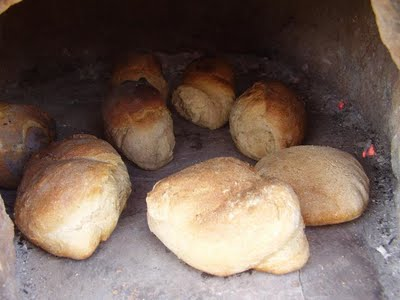
The year is a 140 BC in a move to appease the population and gain votes Roman politicians came up with the idea of providing free bread and entertainment. In Satire X, the Roman poet Juvenal termed the phrase ‘bread and circuses’.
“iam pridem, ex quo suffragia nulli / uendimus, effudit curas; nam qui dabat olim / imperium, fasces, legiones, omnia, nunc se / continet atque duas tantum res anxius optat, / panem et circenses.” (Juvenal, Satire 10.77–81)
“Already long ago, from when we sold our vote to no man, the People have abdicated our duties; for the People who once upon a time handed out military command, high civil office, legions — everything, now restrains itself and anxiously hopes for just two things: bread and circuses”.
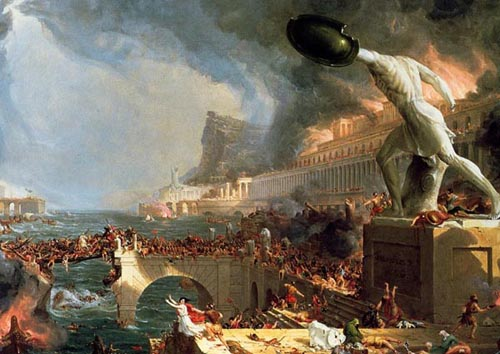
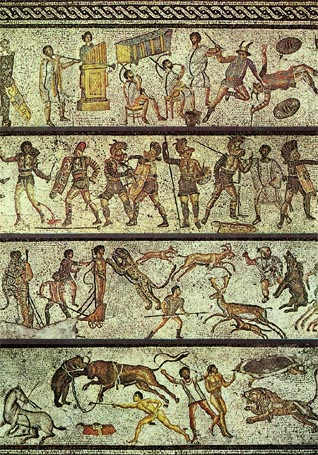
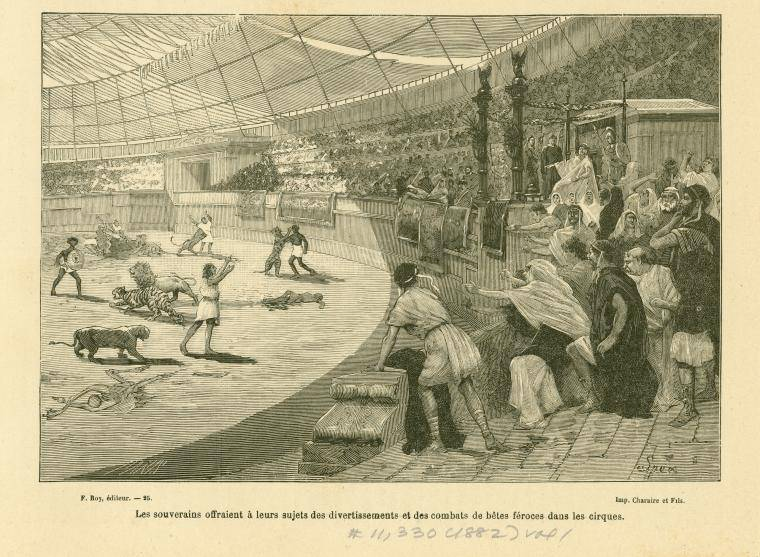
Beginning with Augustus Caesar and the rising price of grain, the public of Rome was provided with free bread (annona) to keep the populace happy. In an average year the Roman populace would consume around 6 million sacks of grain per year. Another convention of keeping the populace happy was free entertainment in the form of games, gladiator fights, theater and many other leisure activities; which people would spend most of their time at daily. While keeping the populace happy, it also proved a factor in the downfall of Rome.
Soon all people ever cared about was the entertainment being provided to them, they didn’t care what direction the State headed in so long as they still had their ‘bread and circuses’, thus neglecting their civic duty. Also many of the games had an extreme amount of bloodshed involved and a gradual desensitization of an entire people occurred. With this loss of ‘civic virtue’ the defense of the Roman Empire was turned over to ‘barbaric’ mercenaries who would eventually turn against them.